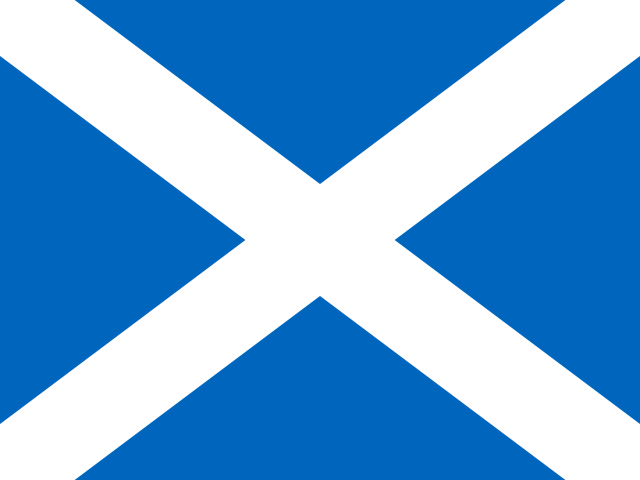
Scotland do not need to pretend 2026 is just another tournament. It is not. The country has waited too long for this return, and that means the campaign will carry more emotional force than most group-stage appearances usually do.
How Scotland Qualified For World Cup 2026
FIFA's official late-qualifier update listed Scotland among the teams that secured their World Cup 2026 place through the final phase of UEFA qualifying in March 2026.
That ended a painful absence from the global finals and turned what had been years of near-misses and frustration into a tangible breakthrough. For Scotland, qualifying was not just about points; it was about releasing a long-held national tension.
The route also fits the character of Steve Clarke's team. They are not built around glamour. They are built around commitment, role clarity and enough big-game personalities to handle pressure without pretending to dominate every match.
Key Players to Watch
Why Scotland Are More Than A Sentimental Story
Robertson, McTominay and McGinn give Scotland a core with top-level club experience and real competitive steel. Gilmour then adds another register in midfield, helping the team avoid becoming entirely reactive.
This matters because Scotland's best football often comes from the blend of emotional commitment and enough technical control to make that intensity useful rather than chaotic.
They are unlikely to overwhelm opponents with talent alone, but they absolutely have the profile to make the group uncomfortable for more decorated sides.
Group C Outlook
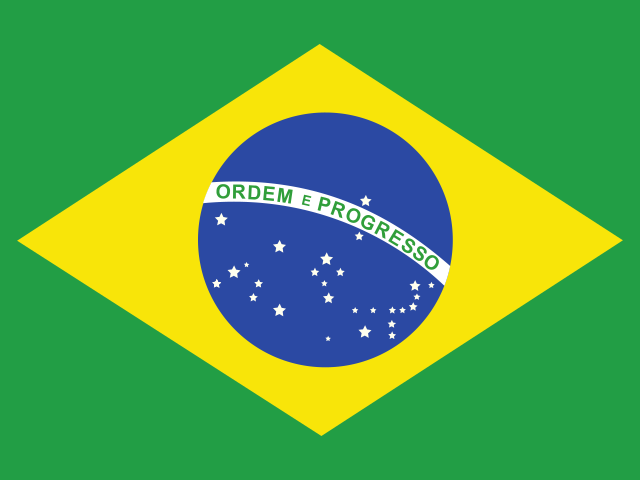
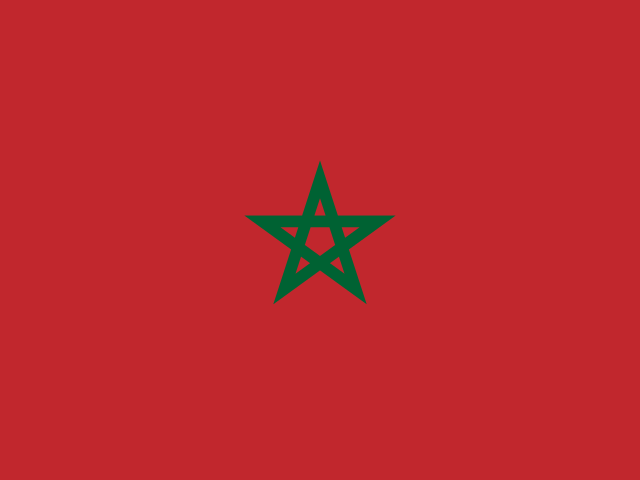
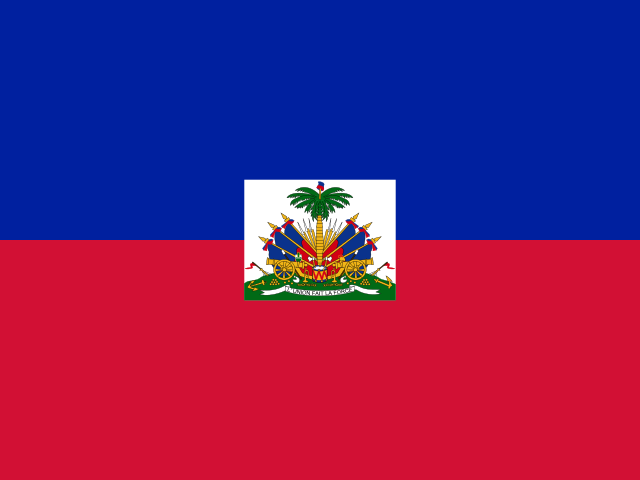
In this site's group draw, Scotland are with Brazil, Morocco and Haiti. That is a hard group on paper, especially because both Brazil and Morocco can punish mistakes quickly.
But Scotland will not see it as hopeless. Their task is obvious: make every match difficult, stay alive deep into games and trust that the emotional edge of a long-awaited World Cup return can matter.
Group C teams:
World Cup History
One to Watch — Scott McTominay
Prediction
Think you know how Scotland will do at World Cup 2026?
Pick every match from the group stage to the Final on July 19. Free to play — predictions lock June 11.
World Cup 2026 Bracket Predictor →Collect the WC 2026 Sticker Album
Track your Panini collection, mark duplicates, and find trade partners worldwide.
Open Sticker Album →